


Potassium: Strength, Resilience & Flavor 🍅

If nitrogen is the garden’s growth fuel and phosphorus is its foundation, potassium is the guardian of plant health. It strengthens stems, improves water use, boosts disease resistance, and — maybe most beloved — enhances the flavor and quality of fruits and vegetables.
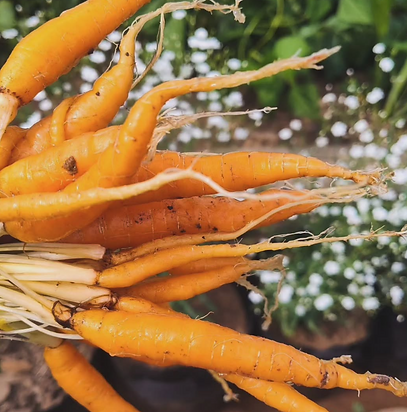
🌻 Potassium is especially important for:
Fruiting crops (tomatoes, peppers, squash, melons)
Root crops (carrots, potatoes, beets)
Perennials and fruit trees (grapes, citrus, stone fruit)
Plants facing heat, drought, or disease stress
🍌 Everyday Sources of Potassium
Instead of heading for a bag of chemical fertilizer, look to these natural sources:
Banana peels — a classic potassium boost; compost or bury near roots
Wood ash — use lightly; too much can burn plants or raise soil pH
Seaweed or kelp meal — adds potassium and vital trace minerals
Compost from veggie scraps — especially fruit and kitchen waste
Aged farm manures — provide slow-release nutrients and organic matter
🌿 How Potassium Works in the Soil
Phosphorus is the garden’s energy manager. It helps plants convert sunlight into usable energy (photosynthesis → sugars → growth) and is essential for DNA, seed formation, and strong cell structure.
Plants absorb phosphorus as phosphate ions (PO₄³⁻) dissolved in soil water.
It’s most available when soil pH is between 6.0 and 7.0.
Because it moves slowly through soil, it’s best placed close to roots.
Think of phosphorus as the nutrient that sets the stage: if nitrogen makes a plant big and leafy, phosphorus ensures that growth has a strong foundation — leading to healthy blooms and fruit.
🍂 Signs Your Plants Need Potassium
Older leaves with yellow or brown edges (“leaf scorch”)
Weak stems or plants that wilt easily in sun
Fruits that lack sweetness or flavor
Patchy, blotchy discoloration on leaves
In some crops (like corn), an inverted “V”-shaped yellowing from leaf tip downward
💧 Quick Fixes & Long-Term Solutions
Quick Fixes:
Water with compost tea or kelp tea, or sprinkle a bit of wood ash (sparingly).
Slow & steady:
Add banana peels to compost, mix in seaweed or kelp meal, or incorporate balanced compost with aged manures.
⚠️ Avoid overdoing nitrogen — too much leafy growth can outpace potassium support, leaving plants weak and prone to stress.
🌾 The Takeaway
Potassium is the quiet supporter in your garden — not flashy, but essential. It helps plants stand tall, weather stress, and produce flavorful, nutrient-dense harvests. Pay attention to signs of deficiency, especially in fruiting crops, and keep a steady flow of natural potassium sources in your soil.

🌱 Next Up: The Support Crew
We’ve covered the Big 3 — Nitrogen, Phosphorus, and Potassium — but plants rely on more than just the headliners.
Next, we’ll meet The Support Crew: the secondary nutrients Calcium, Magnesium, and Sulfur.


Comments